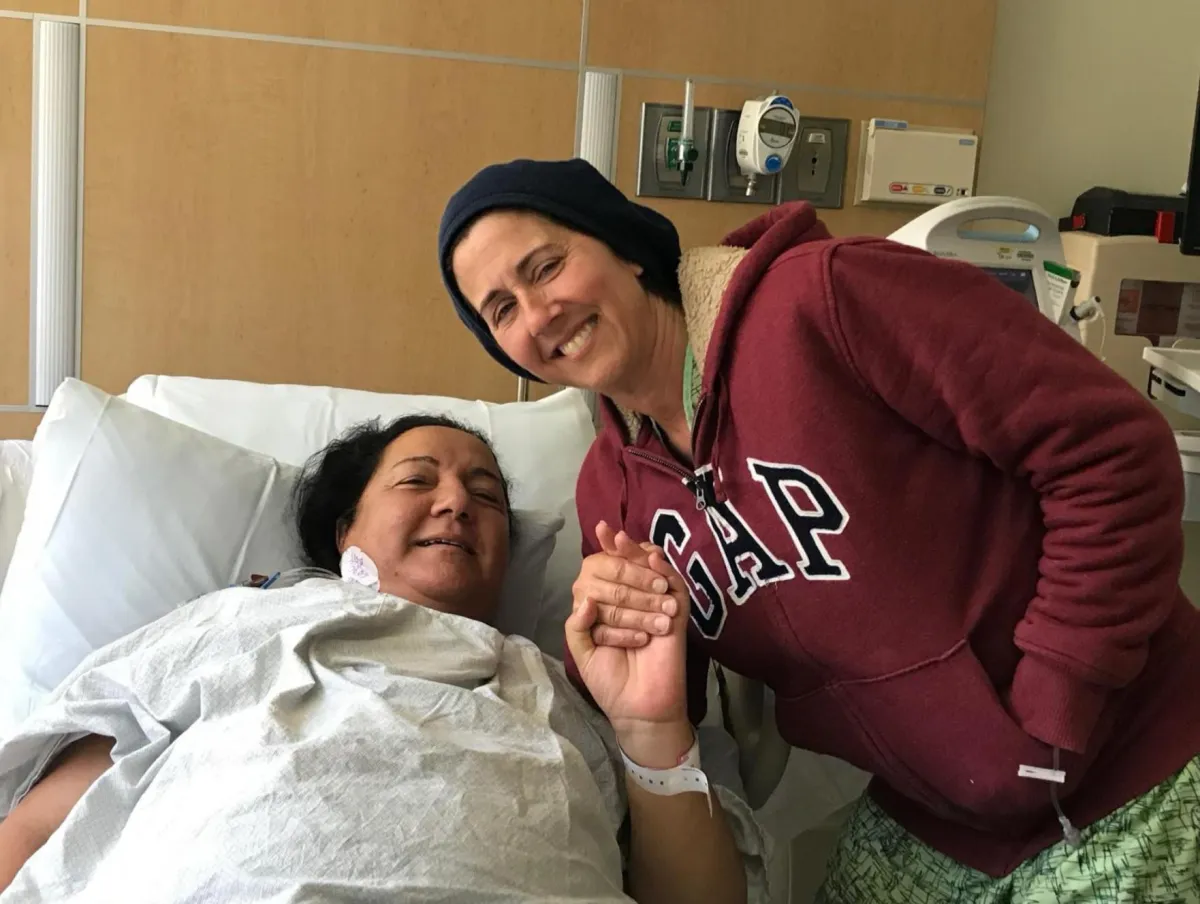
Tzippy Tivon — recipient of Rochel Smoller's kidney
Tzippy Tivon
My name is Tzippy and I am the extremely grateful recipient of Rochel Smoller's kidney.
Receiving a kidney transplant has profoundly altered both my daily routine and my overall quality of life. Prior to the transplant, my life revolved around dialysis sessions, which I endured three times a week for three and a half hours each. These sessions extended even longer if my blood pressure was low. I felt like I was merely existing rather than living, as my body was slowly deteriorating and I was constantly tired. The physical toll was immense, and it left me emotionally drained as well. I couldn't travel or engage in many activities.
Now, post-transplant, I no longer need dialysis, and I've regained the freedom to live a more normal and fulfilling life.
Just two weeks before the surgery, I was in a near-coma state, and my condition was dire. However, the transformation post-transplant was immediate and profound. On the very first day after surgery, I felt like a completely different person; it was as though I could do anything. Notably, the color returned to my face, signaling a renewed vitality that made me feel genuinely happy and alive for the first time in a long while.
Despite my low blood pressure and the initial challenges of starting to walk again, I found myself surprisingly pain-tolerant. Just five days after the operation, I was able to go home from the hospital. This rapid recovery demanded a reevaluation of my life's potential and priorities.
I was placed on the donor list at Sharp Hospital, filled with optimism about the prospect of receiving a transplant. There was emotional upheaval, particularly when I was informed that a potential donor was not a match. During these challenging times, I sought the support of a therapist who played a crucial role in helping me cope with the disappointment and maintain my mental health.
Post-transplant, my relationship with my donor, Rochel, has evolved into a remarkably close and supportive bond. We have grown very close, and she affectionately refers to me as her sister, a testament to the deep connection we've developed through this life-changing experience. We communicate regularly, sharing our lives and supporting each other just as any close family members would.
Rochel's commitment to raising awareness about kidney donation extends beyond her personal act of kindness toward me; she has also participated in a TEDx talk, advocating for and supporting kidney donors. Her involvement in these advocacy efforts is truly amazing, and it has only deepened the respect and affection I hold for her.
From kidney failure to kidney transplant made me realize the brevity and preciousness of life. One of the most important insights I've gained is the significance of living life to the fullest, no matter the circumstances — engaging deeply with the simple, everyday activities that define regular life, such as traveling to see family and enjoying the moment without constantly worrying about the future.
An additional lesson came from handling the emotional aspects of my health struggles in relation to my family. I was initially reluctant to worry my mother. This experience taught me about the delicate balance of protecting loved ones from distress while also sharing important life events with them. Resilience is not just about enduring adversity oneself but also involves managing the emotional journey of those around you.
The support from my family — my children and husband — alongside the broader community, kept me motivated and hopeful. Their encouragement and the shared belief that a suitable match would eventually be found helped sustain me through the uncertainties of the transplant process. Their support was not just emotional but also practical, as they assisted in managing the daily challenges and maintaining a sense of normalcy while I awaited a donor match.
Since receiving the transplant, I've made significant lifestyle changes to maintain a healthy immune system due to medication suppressing it. One of the most notable adjustments has been to my diet — I've adopted a diet that focuses on whole foods and avoids sweets and carbohydrates. Instead, I prioritize vegetables, fish, nuts, eggs, and some cheese, following a Mediterranean-style eating pattern.
Regular physical activity has also become a cornerstone of my lifestyle post-transplant. I've incorporated long walks into my daily routine, which not only contributes to my physical fitness but also serves as a form of relaxation and stress relief.
First and foremost, I would encourage them not to lose hope and to maintain a positive outlook throughout their journey. I would also recommend spreading the word about their need for a transplant and connecting with organizations and support networks that can offer assistance and guidance. Social media can be a powerful tool for reaching out to a wide audience.
For those considering becoming organ donors, I would express heartfelt gratitude and emphasize the profound impact their decision can have on someone's life. Becoming a donor is a selfless act of kindness that has the potential to save or significantly improve the lives of others. By choosing to donate, individuals can truly become saviors.
My advice centers around hope, positivity, advocacy, gratitude, and self-care — all crucial elements in navigating the transplant journey and embracing life to the fullest.
Note: Tzippy's story was dictated and edited with a language model.